
UWF selected to join new national center to measure impact of cybersecurity education
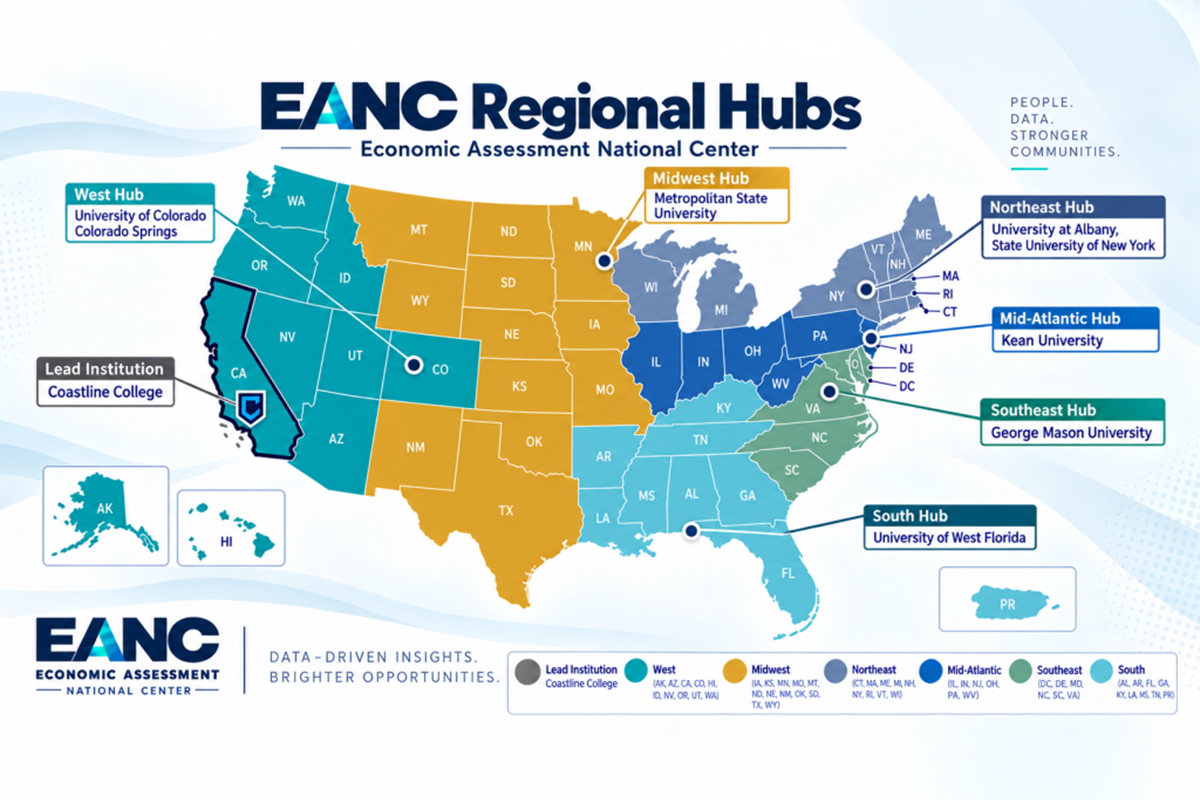
The University of West Florida Center for Cybersecurity and AI, or CCAI, will help lead a national effort to measure the workforce, economic and mission impact of cybersecurity education through its role as the South Regional Hub for the newly established Economic Assessment National Center, or EANC.
CCAI brings extensive experience and leadership in cybersecurity education and workforce development to this initiative, having previously served as the Southeast CAE Regional Hub from 2017 to 2022. The Center also leads the National Cybersecurity Workforce Development Program, a national initiative focused on strengthening the cybersecurity workforce through education, training and industry partnerships.
Led by Coastline College in California, EANC brings together seven higher education institutions to develop a consistent approach to measuring the contributions of the National Centers of Academic Excellence in Cybersecurity, or NCAE-C, community. The initiative is supported by an approximately $1.5 million, two-year award through the NCAE-C program within the National Security Agency.
“UWF has a strong record of advancing cybersecurity education and developing the talent our nation needs to meet emerging challenges,” said UWF President Manny Diaz Jr. “By helping lead this national effort, we can strengthen collaboration among higher education institutions and build a clearer understanding of how cybersecurity education contributes to workforce development and national security.”
In addition to UWF serving as the South Regional Hub, the national center includes Coastline College as the national lead, the University of Colorado Colorado Springs as the West Hub, Metropolitan State University as the Midwest Hub, the University at Albany, State University of New York, as the Northeast Hub, Kean University as the Mid-Atlantic Hub, and George Mason University as the Southeast Hub.
“We are honored to lead the EANC South Regional Hub and collaborate with CAE institutions across the region,” said Dr. Eman El-Sheikh, associate vice president of the UWF Center for Cybersecurity and AI and lead for the EANC South Hub. “This initiative will help us better measure, communicate and amplify the collective impact of cybersecurity education on workforce readiness, economic growth and national security.”
UWF will connect with CAE-designated institutions throughout the region, facilitate collaboration and gather regional perspectives to develop a consistent national measurement framework. The EANC and its six Regional Hubs will collaborate with NCAE-C-designated institutions across the country to assess workforce outcomes, economic contributions and return on investment, helping demonstrate how cybersecurity education supports workforce development and national cybersecurity priorities.
A central component of EANC will be the development of a Performance Measurement Framework that brings together information on cybersecurity education, graduates, industry certifications, workforce pathways and economic outcomes. The framework will make better use of existing information, establish consistent measures and develop tools to make results easier to understand and communicate while minimizing additional reporting burdens.
The initiative also aims to produce national reports and data dashboards that help institutions, regional partners and federal stakeholders better understand the outcomes of cybersecurity workforce development and the broader value of the NCAE-C program. In addition to measuring return on investment, EANC will examine the broader return on mission, including how cybersecurity education strengthens workforce readiness, institutional capacity and national cybersecurity priorities.
To learn more about the UWF Center for Cybersecurity and AI, visit uwf.edu/cyberai.
Most read in News
-

-

UWF rises to top two in Florida State University System
Jun. 13, 2019 -